Proofreading and editing: the complete guide to error-free writing
Learn everything you need to know about proofreading, including essential tips, techniques, and tools to improve your writing. discover how professional proofreading and editing can eliminate errors, enhance clarity, and help you create polished, high-quality content for blogs, academic papers, business documents and more.
My post content
What is proofreading?
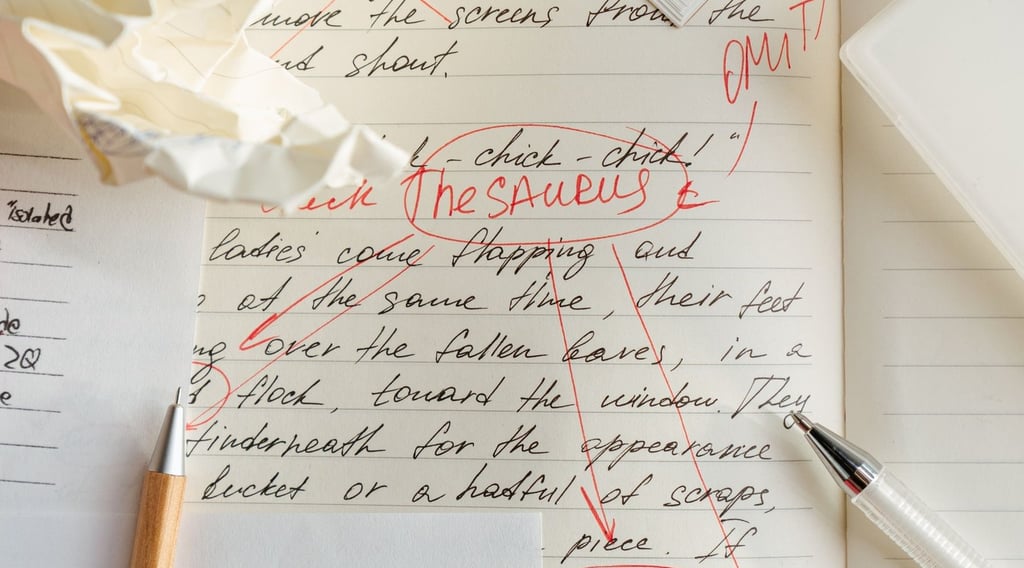
Proofreading is the final stage of the writing process. it involves carefully reviewing a document to identify and correct errors before publication or submitting anywhere.
Proofreading it includes:
. Correcting spelling mistakes
. Ensuring consistent formatting
. Correcting capitalization
. Removing typing mistakes
. Checking punctuation
. Fixing grammar errors
A well-proofread document looks polished and professional, helping you make a positive impression on you readers.
What is editing?
Editing is a deeper review of your content. instead of focusing only on grammar, editing improves the overall quality of your writing.
Editing includes:
. Improving sentence structure
. Making ideas clearer
. Removing repetitive content
. Improving word choice
. Organizing paragraphs logically
. Enhancing readability
A good editor ensures your content communicates your message keeps and keeps readers engaged.
Proofreading vs. editing
Although the terms are often used together, they have different purposes.
Editing comes first because it improves the content itself. proofreading comes last to eliminate any remaining errors before publication.
for the best results, complete both steps before publishing your work
Why proofreading and editing matter for SEO
Professional writing build trust. whether you're running a blog, business website, or online store, error-free content makes your brand appear more reliable.
Here are some benefits of proofreading and editing:
. Improves readability
. Supports better SEO by creating higher-quality content
. Helps maintain consistent writing style
. Increases reader engagement
. Improves user experience
. Creates a professional image
. Reduces grammar and spelling mistakes
. Build credibility with readers
Search engines prefer useful, well-written content that satisfies users. while grammar alone is not a ranking factor, high-quality writing can improve user engagement, which may contribute to better search performance over time.
Best proofreading tips
1. Take a break before proofreading
Afte finishing your article, step away for a while. returning with fresh eyes makes it easier to spot mistakes.
2. Read your content aloud
Reading aloud helps you notice awkward wording, missing wors, and long sentences that are difficult to follow.
3. Use grammar checking tools
Tools like grammar checkers can identify many spelling and grammar issues. however, don't rely on them completely. human proofreading is still important
4. Check one error type at time
Focus separately on spelling, punctuation, formatting, and grammar instead of trying to catch everything at once.
5. Print the document
Many writes find mistakes more easily on paper than on a computer screen.
Common writing mistakes
Avoid these common errors:
. Incorrect punctuation
. Repeated words
. Passive voice overuse
. Long paragraphs
. Typing errors
. Missing commas
. Poor word choice
. Inconsistent verb tenses
. Run-on sentences
fixing these mistakes makes your content more professional and easier to read.
How editing improves content quality
Professional editing goes beyond correcting mistakes. it helps writers communicate ideas clearly while keeping readers interested.
Good editing can:
. Make content more engaging.
. Create repetition.
. Eliminate repetition.
. Strengthen arguments
. Improve organization.
, Increase readability.
Whether you're writing for a blog, business, or school, editing improve the overall quality of your work.
SEO tips for proofreading and editing articles
To help your content perform well in search engines:
. Include your main keyword naturally throughout the article.
. Use descriptive heading with relevant keywords.
. Write informative meta titles and descriptions.
. Add internal links to related articles.
. Use short paragraphs and bullet points.
. Optimize imaginal, helpful content that answers reader' questions.
Avoid keyword stuffing. instead, use keywords naturally while focusing on creating valuable content.
Final thoughts
Proofreading and editing are essential skills for anyone who creates written content. whether you're publishing blog posts, building a business website, writing academic papers, or creating marketing materials, taking the time to edit and proofread your work will improve quality and build trust with your audience.
Great writing isn't just about having good ideas-it's about presenting those ideas clearly and professionally. by making proofreading and editing part of your writing process, you'll produce polished content that readers enjoy and search engines are more likely to reward.
Start reviewing every article before you publish it. over time you'll improve your writing skill, reduce mistakes, and create content that stands out in a competitive online world.
For more ways to make money online visit www.powerzone.space